Updated on October 27, 2026 · Our editorial process
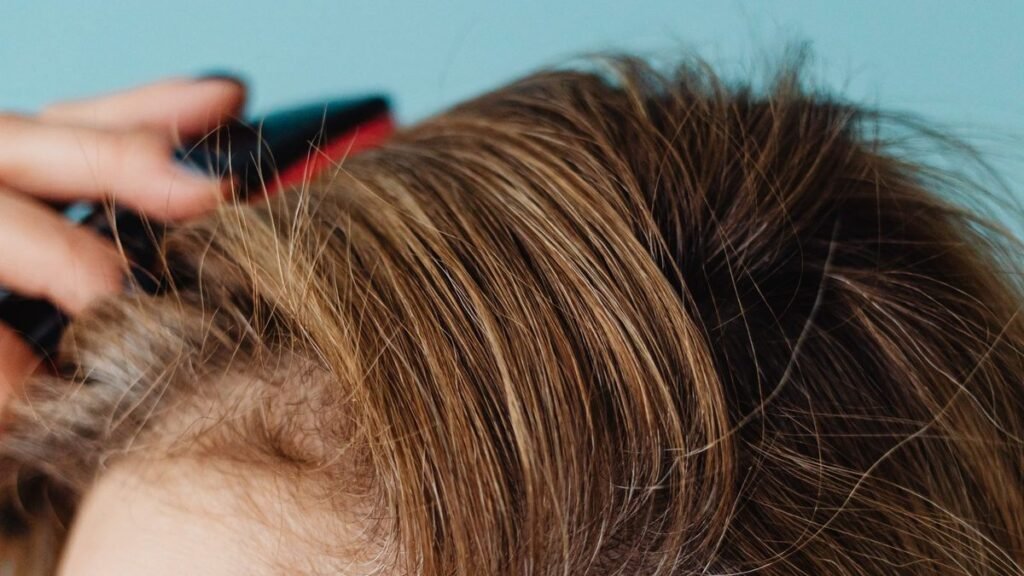
White flakes on a dark sweater, a scalp that feels tight and itchy, and a bottle of anti-dandruff shampoo that is not helping. If that is you, there is a fair chance you do not have dandruff at all. Dry scalp and dandruff look alike from the outside and need almost opposite treatment, and using the wrong one is the main reason people stay flaky for months.
This guide explains how to tell dry scalp from dandruff, what causes a dry scalp, the treatment that actually works for each, which products help and which make it worse, and when flaking is a sign of something a shampoo will not fix.
Key takeaways
- Dry scalp means the skin has lost moisture. The flakes are small, white, and dry, the scalp feels tight and itchy, and your skin elsewhere is often dry too.
- Dandruff is the opposite: an oily scalp with larger yellowish, greasy flakes, redness, and itching, driven by a yeast that feeds on scalp oil.
- Dry scalp improves with a gentle shampoo, lukewarm water, washing less harshly, moisture, and a humidifier. Dandruff improves with a medicated shampoo that targets the yeast.
- Flaking with thick plaques, raw or weeping patches, hair loss, or no improvement after a month of the right treatment needs a dermatologist.
Dry scalp or dandruff? How to tell
This is the question to settle first, because it decides everything after it. The American Academy of Dermatology describes dandruff as a mild form of seborrheic dermatitis, a condition of oily skin in which a yeast that lives on everyone’s scalp overgrows and irritates it. Dry scalp is simple dryness, the same thing that happens to the backs of your hands in winter. Here is how they look side by side.
| Dry scalp | Dandruff | |
|---|---|---|
| Flakes | Small, white, dry, fall easily | Larger, yellowish or white, greasy, cling to hair and scalp |
| Scalp | Tight, dry, sometimes dull hair | Oily, often red, sometimes scaly patches |
| Itch | Mild to moderate | Often marked |
| Rest of your skin | Often dry too: hands, legs, face | Oily or combination; may have flaking by the nose, eyebrows, or ears |
| Timing | Worse in winter, dry air, after hot showers, with harsh shampoos | Flares with stress, illness, cold weather, infrequent washing |
| Response to washing | Washing more makes it worse | Washing more often helps |
A useful home test: part your hair and look at the scalp under good light. Dry scalp looks pale and papery with fine flakes. Dandruff looks shiny or pink with flakes stuck in the oil. And check your hands. If they are cracked and dry, your scalp probably is too.
What causes a dry scalp
The scalp is skin, and it dries out for the same reasons skin anywhere does: it loses water faster than it can hold it. The usual culprits:
- Cold, dry air. Winter outside and heating inside strip moisture from the skin. Dry scalp peaks between November and March in most of the US.
- Hot water. Hot showers melt the natural oils that keep the scalp’s barrier intact, and the scalp dries and tightens as it cools.
- Harsh shampoo and over-washing. Strong sulfate cleansers, clarifying shampoos, and daily washing remove oil the scalp needs. The tight, squeaky feeling after washing is the warning sign.
- Styling products with alcohol, including many hairsprays, gels, and dry shampoos, which dry the skin they sit on. Product buildup can also trap flakes and make a dry scalp look worse.
- Age. Oil production falls from the 40s on, especially in women after menopause.
- Hair treatments. Bleach, dye, relaxers, and heat styling all dry the scalp as well as the hair.
- Contact dermatitis. A reaction to an ingredient, often fragrance or the PPD in hair dye, causes dryness, redness, and itching, sometimes with flaking that mimics dandruff.
- Skin conditions. Eczema and psoriasis can affect the scalp. Psoriasis produces thick, silvery, well-defined plaques rather than fine flakes and needs its own treatment.
- Not drinking enough and poor sleep, which both show in the skin first.
How to treat dry scalp
The goal is to stop stripping moisture and start adding it back. Most people see improvement within two weeks, with the scalp fully settled in four.
1. Switch to a gentle shampoo
Look for sulfate-free, fragrance-free, and labeled for dry or sensitive scalp. Avoid anti-dandruff shampoos unless you have confirmed dandruff, because most of them are designed to cut oil and will dry you further. Use a small amount, massage it into the scalp with fingertips rather than nails, and rinse thoroughly, since leftover shampoo irritates.
2. Turn the water down
Lukewarm, not hot, for washing and the final rinse. This is the single change that makes the biggest difference for most people and the one everyone resists.
3. Wash less often, but do not stop
Every two or three days suits most dry scalps. Going too long lets dead skin and product build up, which itches and flakes in its own right. If your hair gets oily at the ends before your scalp is ready for washing, rinse with water and condition the ends only.
4. Add moisture to the scalp
Condition the scalp, not just the hair, and leave it a minute before rinsing. Once or twice a week, massage a few drops of a light oil, such as jojoba, argan, or squalane, into the scalp 30 minutes before washing, or overnight under a towel if it is very dry. Coconut oil works for many people but can clog pores on some; test it. Products sold as scalp serums or scalp moisturizers with hyaluronic acid, glycerin, or ceramides do the same job in a lighter form and can be left in.
5. Fix the air
Run a humidifier in the bedroom through the heating season. It helps the scalp, the skin, and the eyes at the same time.
6. Cut the drying products
Pause dry shampoo, alcohol-based sprays and gels, and heat styling for a few weeks. If you color your hair, ask for a bond-protecting treatment and leave longer gaps between appointments.
7. Treat it like the rest of your skin
Drink enough water, eat enough healthy fats from fish, nuts, and olive oil, and get enough sleep. A dry scalp usually comes with dry skin elsewhere, and the same habits that fix one fix the other.
What about tea tree oil, aloe vera, and apple cider vinegar?
- Tea tree oil. A small trial found that a shampoo with 5 percent tea tree oil improved dandruff, so it is more useful for dandruff than for plain dry scalp. Never put it on the scalp undiluted, because it is a common cause of allergic skin reactions. Patch test it first.
- Aloe vera. Pure aloe gel, without alcohol or fragrance, is soothing and gentle, and small studies suggest it may calm scalp irritation. It is one of the safer things to try.
- Apple cider vinegar. There is no good evidence that it helps a dry scalp. It is acidic and can sting or burn skin that is already cracked or irritated. If you want to try it, dilute it well and skip it on broken skin.
If it turns out to be dandruff
Then the treatment flips. Wash more often, not less, and use a medicated shampoo with one of the active ingredients the Academy lists: zinc pyrithione, ketoconazole, selenium sulfide, or coal tar. Lather it onto the scalp, leave it for five minutes, then rinse. Use it two or three times a week, alternating with a regular shampoo, and switch to a different active if the first stops working after a few months, which is common. Salicylic acid shampoos help lift heavy scale. Dandruff that is red and sore, that spreads to the face, or that does not respond in a month may be seborrheic dermatitis or psoriasis and needs a prescription.
Dry scalp and hair loss
Dry scalp itself does not cause hair loss, but the scratching that comes with it can break hairs and inflame follicles, and a scalp that is irritated for months is not a healthy place to grow hair. If flaking has come along with noticeably more shedding, a widening part, or bald patches, the scalp is probably not the cause and it is worth reading our guides to what causes hair loss in women and hair loss in men, then seeing a doctor. A sore scalp with shedding is also covered in our guide to why your scalp hurts.
Dry scalp in children and babies
Babies often get cradle cap, thick yellow scales on the scalp that look alarming and are harmless. Soften with a little baby oil, brush gently, and shampoo; it clears within months. In older children, dry scalp follows the same rules as adults, with a gentle shampoo and less frequent washing. Persistent, itchy, scaly patches in a child, especially with hair loss, can be scalp ringworm, which needs prescription tablets, so have it checked.
Mistakes that keep a dry scalp dry
- Using anti-dandruff shampoo on a dry scalp, which strips it further.
- Scratching, which breaks the skin and sets up a cycle of irritation.
- Washing daily with hot water to get rid of the flakes.
- Piling on dry shampoo to stretch washes, which dries and clogs.
- Applying heavy oils and never washing them out, which traps flakes and can feed the yeast that causes dandruff.
- Switching products every few days, so nothing gets long enough to work.
When to see a dermatologist
See a dermatologist if flaking has not improved after four weeks of the right routine, if the scalp is red, raw, cracked, weeping, or bleeding, if there are thick silvery plaques, if you are losing hair, if the itch is keeping you awake, or if a child has scaly bald patches. Prescription treatments, including steroid solutions, stronger antifungals, and treatments for psoriasis, work fast once the diagnosis is right, and a dermatologist can usually tell the cause from a quick look at the scalp.
The bottom line
Dry scalp is dry skin on your head. It flakes small and white, feels tight, and gets worse with winter air, hot water, and harsh shampoo. Dandruff is an oily, yeast-driven condition with greasy flakes and redness, and it needs the opposite treatment. Work out which you have, then either add moisture and gentleness, or add a medicated shampoo and wash more often. Give it four weeks, and see a dermatologist if it does not settle or if there is hair loss or raw skin.
Frequently asked questions
How do I know if I have dry scalp or dandruff?
Dry scalp gives small, dry, white flakes on a tight-feeling scalp, usually with dry skin elsewhere, and it gets worse with hot water and frequent washing. Dandruff gives larger, greasy, yellowish flakes on an oily, often reddish scalp, and improves with more frequent washing using a medicated shampoo.
How do I treat a dry scalp?
Switch to a gentle sulfate-free, fragrance-free shampoo, wash with lukewarm water every two or three days, condition the scalp, massage in a light oil or a hydrating scalp serum once or twice a week, run a humidifier in dry months, and pause dry shampoo, alcohol-based styling products, and heat for a few weeks. Expect improvement in two weeks.
How do I get rid of a dry scalp fast?
The quickest relief is a pre-wash oil treatment: massage jojoba, argan, or squalane oil into the scalp, leave it for 30 minutes or overnight, then wash with a gentle shampoo in lukewarm water. Flaking eases within days. Lasting results take two to four weeks of the full routine.
What causes a dry scalp?
Loss of moisture from cold or dry air, hot water, harsh or frequent shampooing, alcohol-based styling products, age, hair dye and heat treatments, and skin conditions such as eczema, contact dermatitis, or psoriasis. It often appears alongside dry skin on the hands and body.
Should I wash my hair more or less if my scalp is dry?
Less often than daily, usually every two or three days, with lukewarm water and a gentle shampoo. Going longer than four or five days lets dead skin and product build up and flake. If you have dandruff rather than dry scalp, the advice flips and more frequent washing with a medicated shampoo helps.
Can eczema cause a dry scalp?
Yes. Atopic dermatitis, the most common type of eczema, can affect the scalp, causing dry, very itchy patches that may crack, weep, or crust, often with eczema elsewhere on the body. Gentle fragrance-free products help, and a dermatologist may prescribe a steroid or nonsteroid lotion for flares.
Does coconut oil help dry scalp?
It helps many people as a pre-wash treatment left on for 30 minutes to overnight and then shampooed out. It can clog pores and worsen flaking in some, so test it on one area first. Jojoba, argan, and squalane oils are lighter alternatives that suit most scalps.
Can a dry scalp cause hair loss?
Not directly. Dry scalp does not damage follicles, but scratching can break hairs and inflame the skin. If flaking comes with noticeable shedding, a widening part, or bald patches, the hair loss has another cause and should be checked by a doctor.
Why is my scalp dry and itchy in winter?
Cold outdoor air holds little moisture and indoor heating dries it further, so the scalp loses water faster than it can replace it. Hot showers in winter make it worse. A humidifier, lukewarm washing, a gentle shampoo, and a weekly scalp oil or serum usually settle it within a couple of weeks.