
Updated on October 19, 2026 · Our editorial process
Most people never think about what they eat and how it affects their spleen. But the truth is, food plays a big role in keeping this organ strong. The right foods help your spleen filter blood faster, fight infections better, and stay healthy for years. This guide shows you the 7 best foods for spleen health and explains why each one works so well.
If you want to learn what the spleen does first, read our guide on what the spleen is and how it works before you continue.
Why Does Food Matter for Your Spleen?
Your spleen works hard every single day. It filters your blood, removes old and damaged blood cells, and helps your body fight off harmful bacteria. To do all of this, it needs good fuel from the food you eat.
When you eat a lot of junk food, sugar, or alcohol, your spleen gets stressed. It has to work twice as hard to keep up. Over time, this weakens it. But when you eat fresh, natural foods full of iron and vitamins, your spleen stays strong and does its job with ease.
 |
1. Leafy Greens
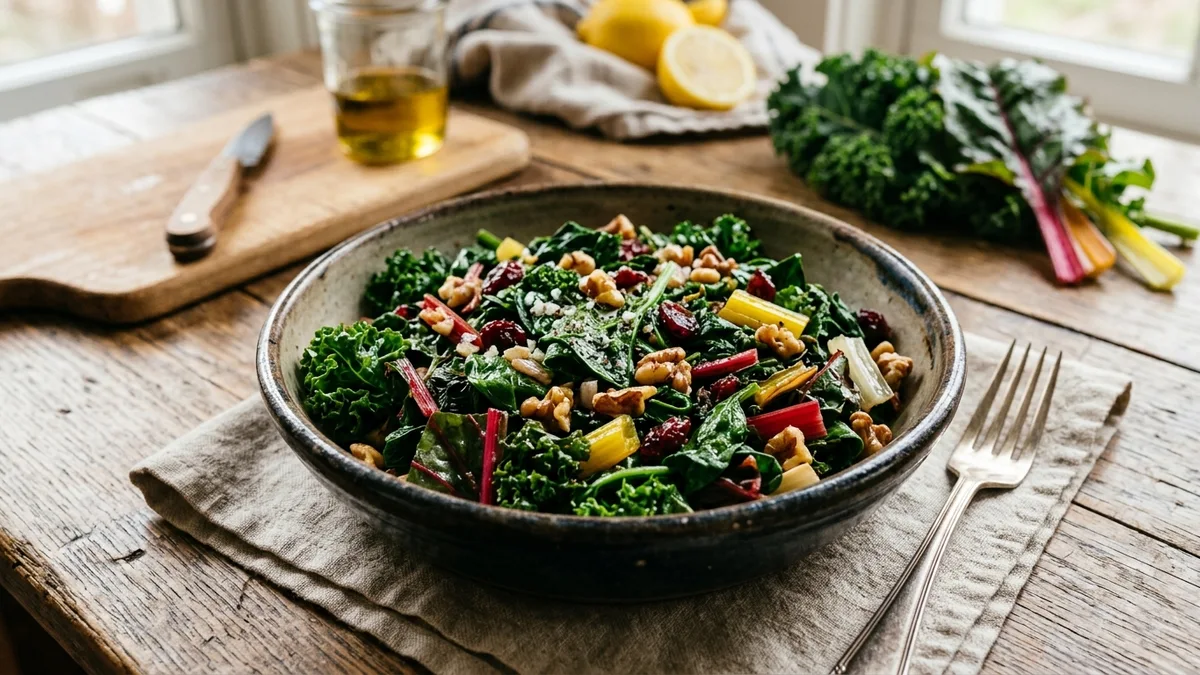
Leafy greens like spinach, kale, and Swiss chard are some of the best foods you can eat for your spleen. They carry a lot of iron, and your spleen needs iron to break down old red blood cells and help make new ones. These greens also help clean the blood naturally.
They also carry vitamin C, which helps your body take in iron much better. Just adding one cup of spinach to your daily meals can help your spleen work more smoothly over time.
Try adding raw spinach to a smoothie in the morning. You can also roast kale with a little olive oil or cook Swiss chard as a side dish at dinner.
 |
2. Beets
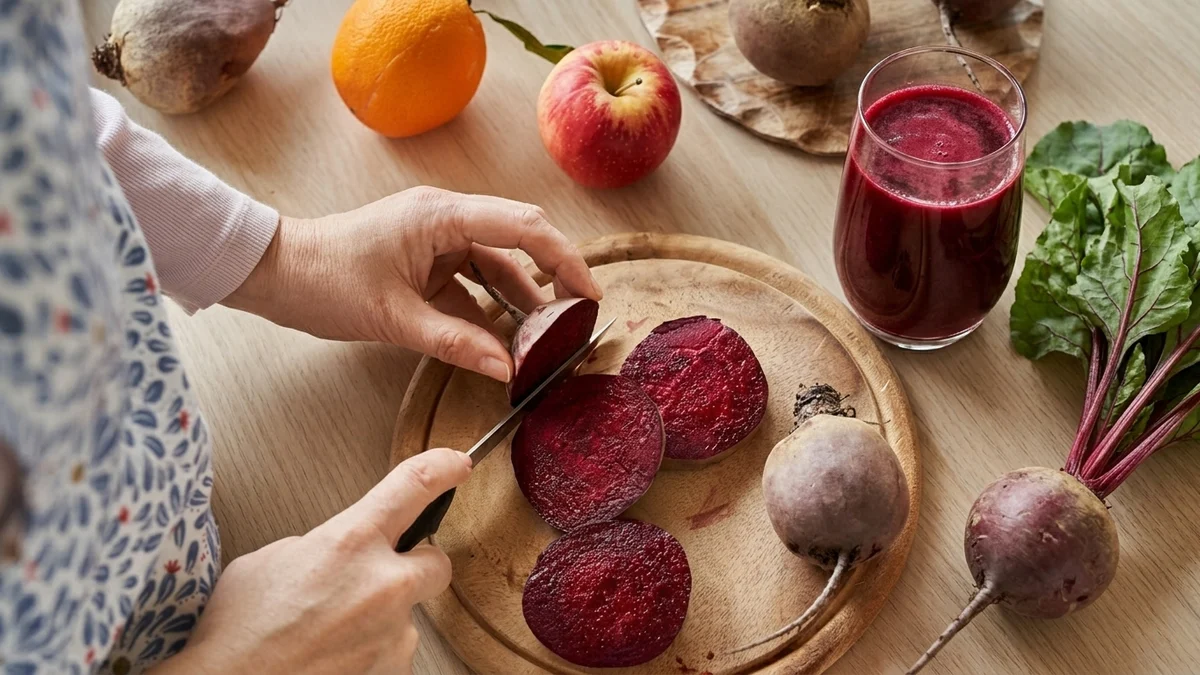
Beets are one of the most useful foods for your spleen. They contain a natural compound called betalain that fights swelling and helps your spleen process blood faster. Beets also help your liver, which works right beside the spleen every day.
Fresh beet juice helps blood flow better through your body and lowers stress on the spleen. Drinking a small glass in the morning is one of the easiest ways to give your spleen a daily boost.
You can drink fresh beet juice, roast beets in the oven, or slice them thin and add them to a salad. All three ways work well.
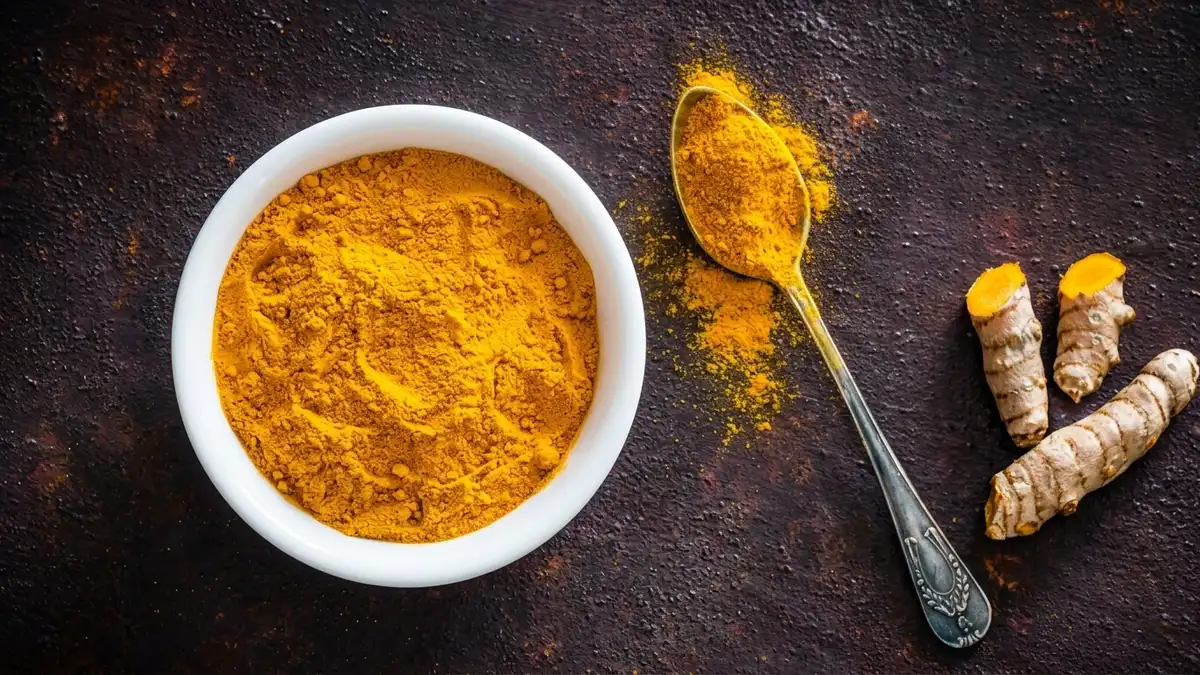 Turmeric is a simple spice that reduces spleen inflammation
3. Turmeric
Turmeric is a yellow spice that most people use in cooking. It contains a compound called curcumin, and researchers have studied it for years because it fights swelling so well. When your spleen gets inflamed or works too hard, curcumin helps bring that swelling down.
Many cases of an enlarged spleen happen because of ongoing swelling in the body. Adding turmeric to your food every day is one of the simplest steps you can take to help your spleen recover and stay protected.
Add half a teaspoon of turmeric to warm milk at night. You can also mix it into soups or rice. If you take it as a supplement, always take it with black pepper as this helps your body absorb it much better.
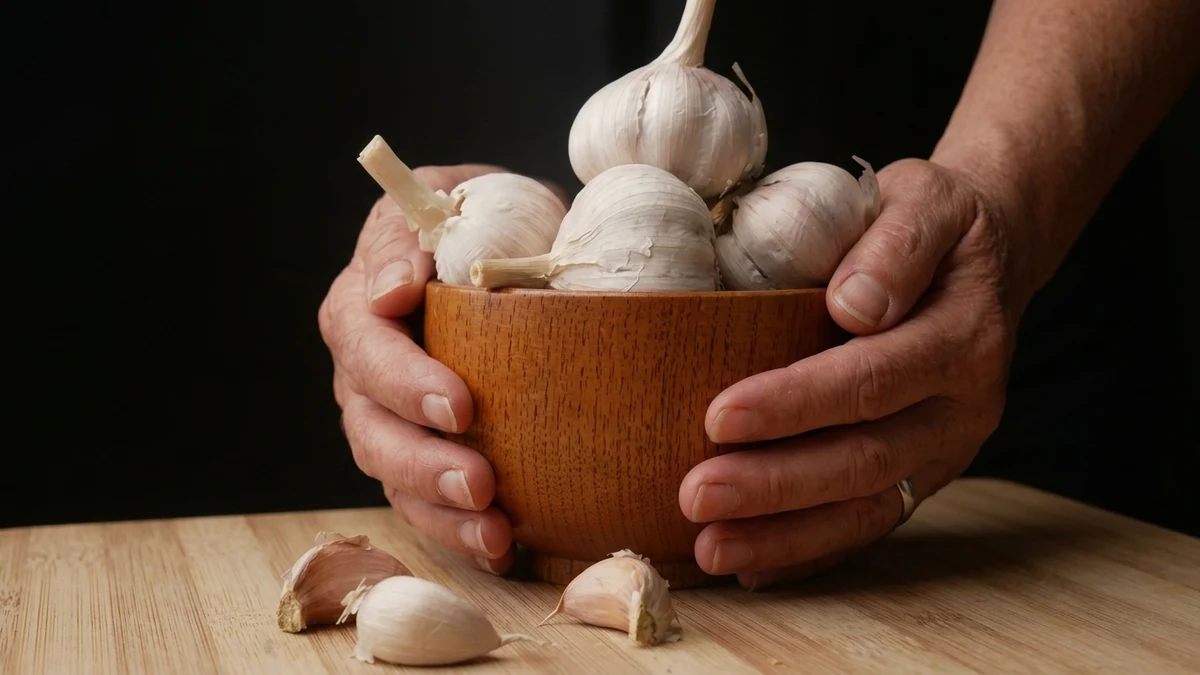 Garlic strengthens the immune system and supports spleen health
4. Garlic
Garlic has a natural compound called allicin. This is what gives garlic its strong smell and most of its health power. Allicin helps your immune system attack harmful bacteria and viruses faster. Since your spleen is responsible for fighting infections, garlic gives it direct support every day.
Eating garlic regularly also calms inflammation in the body and helps blood move more freely. Both of these things make the spleen's daily job much easier.
Try eating one raw garlic clove in the morning with water. You can also add garlic to your cooking or mix it into salad dressing. Raw garlic gives the most benefit.
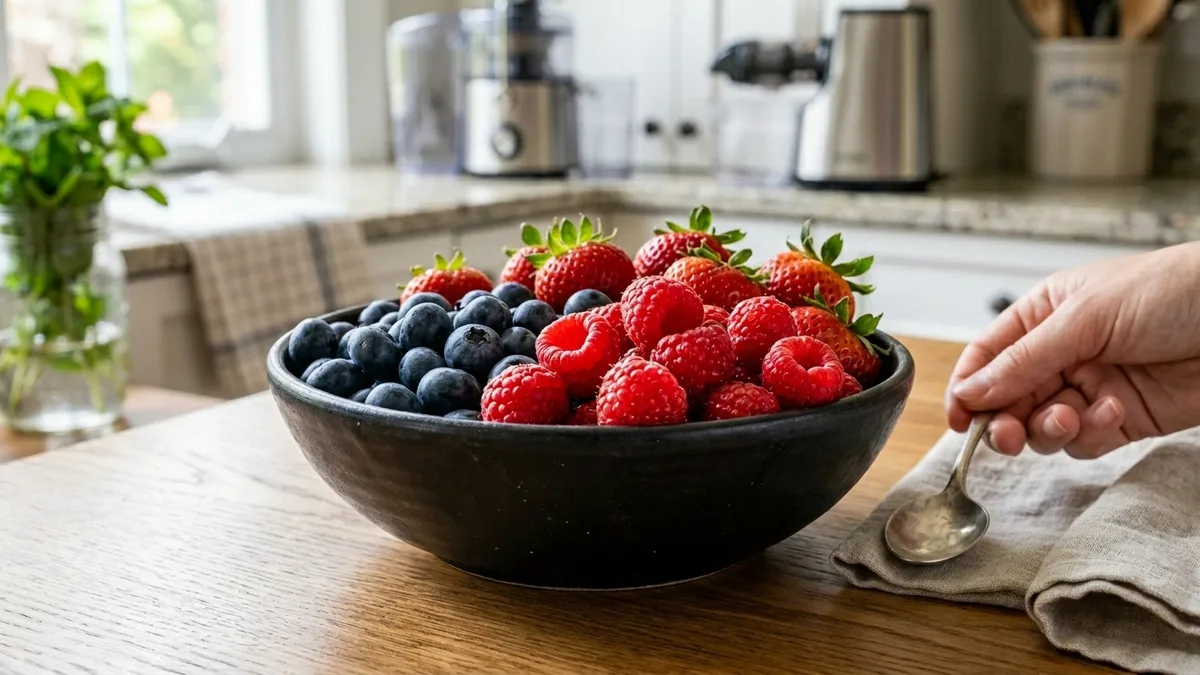 Berries protect spleen cells and strengthen your immune system
5. Berries
Blueberries, strawberries, and raspberries carry natural compounds called anthocyanins. These compounds protect your spleen cells from damage that builds up over time from stress, pollution, and poor eating habits. Think of them as a shield for your spleen.
Berries also carry a good amount of vitamin C. Vitamin C helps your immune system stay active and helps your spleen produce better and stronger white blood cells to fight sickness.
Add a small handful of berries to your breakfast each morning. You can mix them into yogurt, blend them in a smoothie, or just eat them as a snack. Any type of berry works well.
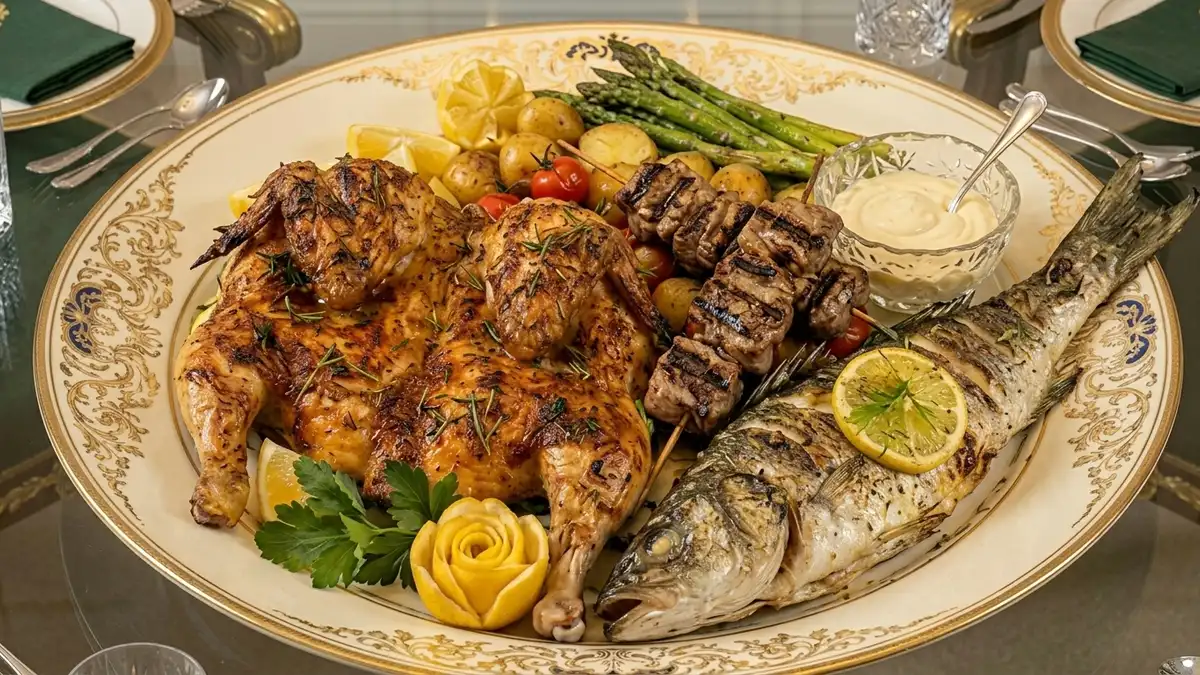 Chicken and fish give your body the protein it needs to make healthy blood cells
6. Lean Protein
Your spleen breaks down old red blood cells every day. Your body needs protein to make fresh new ones to replace them. Without enough protein in your diet, this process slows down and your blood quality gets worse over time.
Chicken, fish, eggs, and lentils are all great sources of protein. Fish like salmon also carry omega-3 fats, which help calm swelling in and around the spleen. This makes fish a top choice if you have any spleen issues.
Try to eat grilled chicken or fish for lunch or dinner a few times a week. If you prefer plant-based options, add lentils or chickpeas to your soups and salads. Both work very well.
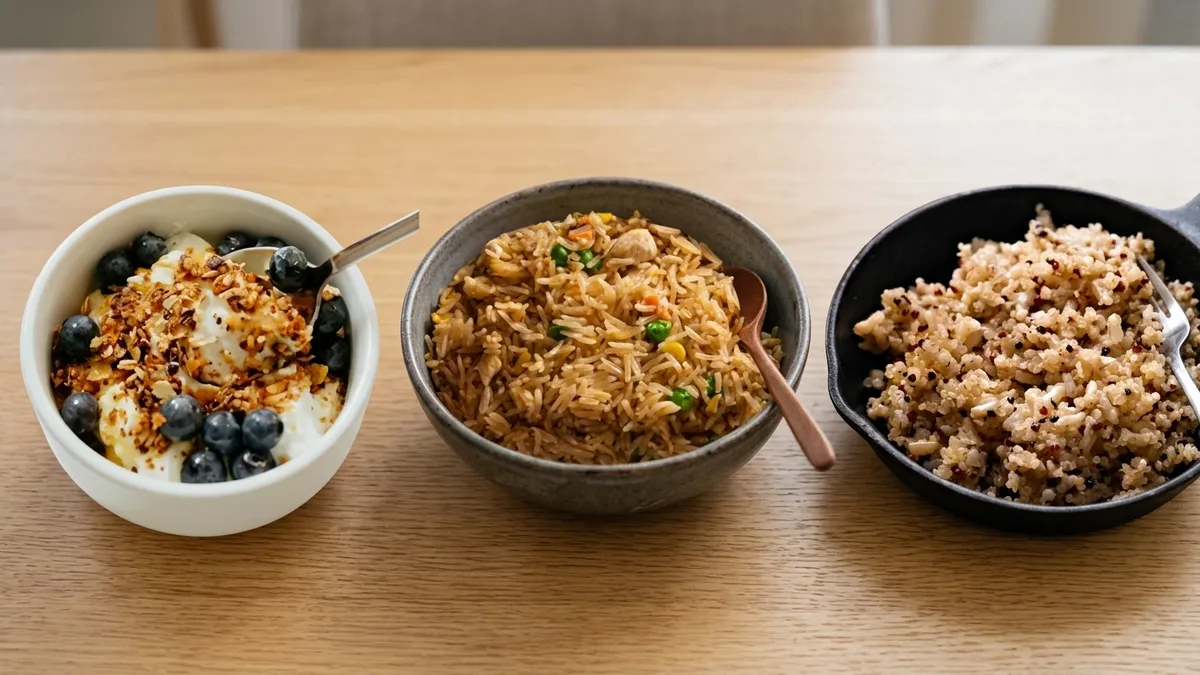 Oats, brown rice and quinoa give your spleen steady daily support
7. Whole Grains
Brown rice, oats, quinoa, and whole wheat bread give your body energy that lasts for hours. White rice and sugary foods cause your blood sugar to spike fast, and this creates swelling in the body. Your spleen then has to deal with the extra stress that comes from this swelling.
Whole grains also carry B vitamins and fiber. These help your digestion run well and stop harmful waste from reaching your spleen through the blood.
Start by swapping white rice for brown rice. Eat oats for breakfast instead of sugary cereal. Choose whole wheat bread when you can. These small swaps make a real difference over time.
Quick Summary: 7 Best Foods for Spleen Health
- Leafy greens: spinach, kale and Swiss chard for iron and blood cleaning
- Beets: clean the blood and calm inflammation
- Turmeric: reduces spleen swelling with curcumin
- Garlic: builds immunity and fights bacterial infections
- Berries: protect spleen cells with antioxidants
- Lean protein: builds new blood cells and calms swelling
- Whole grains: keep blood sugar steady and lower spleen stress
5 Foods to Avoid or Limit With an Enlarged Spleen
No food damages a healthy spleen directly. What hurts the spleen is what hurts the liver and raises inflammation, because liver disease is one of the most common reasons a spleen becomes enlarged. The Cleveland Clinic lists fatty liver disease and cirrhosis among the leading causes of an enlarged spleen, so the foods below are the ones doctors most often ask people to cut back on.
| Food or drink | Why it matters for the spleen |
|---|---|
| Alcohol | Heavy drinking is the main dietary cause of cirrhosis, and cirrhosis raises pressure in the vein that drains the spleen, which makes it swell |
| Sugary drinks and sweets | Added sugar drives fat build-up in the liver, and fatty liver disease is linked to an enlarged spleen |
| Fast food and ultra-processed snacks | High in fat, salt and refined carbs, these raise inflammation and cholesterol, which stress the liver and the metabolism |
| White bread, white rice and pastries | Refined grains spike blood sugar and offer little fibre, so swap them for whole grains when you can |
| Very salty foods | Excess salt raises blood pressure and makes fluid retention worse in people who already have liver problems |
What to Eat if You Have an Enlarged Spleen
If a doctor has told you that your spleen is enlarged, the first thing to know is that there is no special spleen diet. The spleen gets bigger because of something else, most often an infection, a liver condition, or a blood disorder, and treating that cause is what shrinks it. Food supports the process. It does not replace it.
What doctors usually recommend is the same pattern that protects the liver:
- Build meals around vegetables, fruit, whole grains, beans and lentils.
- Choose lean protein such as fish, chicken, eggs, tofu and legumes.
- Use olive oil, nuts and seeds for fat instead of fried food.
- Keep alcohol to a minimum, or avoid it completely if your doctor advises.
- Drink water rather than sugary or energy drinks.
Two practical points matter with an enlarged spleen. It can press on the stomach, so you may feel full quickly. Smaller, more frequent meals are easier than three big ones. And because the spleen sits just under the left ribs and can rupture if it is hit, avoid contact sports until your doctor says it is safe.
Daily Habits That Help Your Spleen
Food is the most important factor but a few simple daily habits also keep your spleen healthy and strong.
Drink enough water
When your body does not get enough water, your blood gets thick. Thick blood is harder for the spleen to filter. Try to drink at least 8 glasses of water each day. This keeps your blood thin and your spleen working without extra effort.
Move your body every day
Walking, swimming, or cycling for 30 minutes a day helps blood move freely around your body. When blood flows well, your spleen gets a steady supply of blood to clean and filter. This keeps the spleen active and healthy rather than slow and sluggish.
Cut down on alcohol
Alcohol causes real damage to the spleen over time. Even drinking a moderate amount regularly can cause the spleen to swell and weaken. Cutting alcohol out completely gives your spleen the best chance to stay strong and work well for a long time.